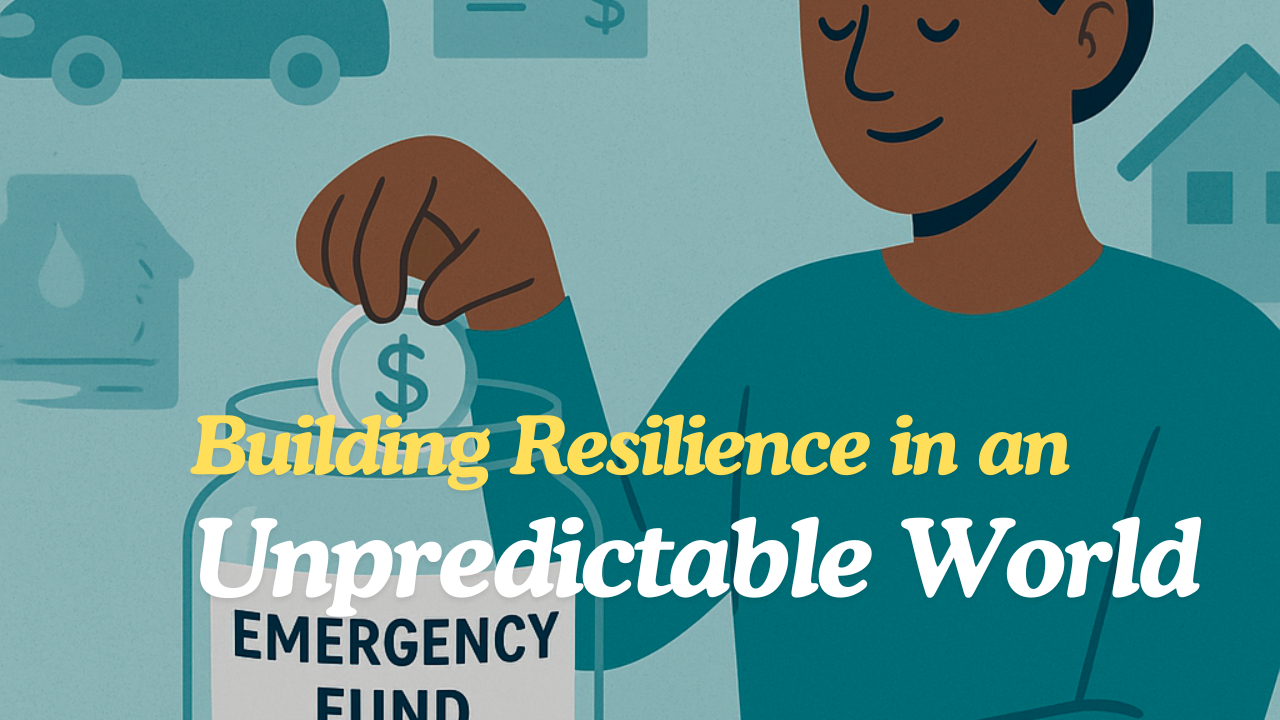
Navigating Unexpected Expenses: Building Financial Resilience in an Unpredictable World
We’ve all been there. That sinking feeling when your car makes a noise it’s never made before. The dread when you open a medical bill that’s way higher than expected. The panic when your laptop dies right before a big deadline.
I’ll never forget the first time my car broke down. I was 23, living paycheck to paycheck, and the sound my transmission made was awful—but the repair estimate the mechanic gave me was even worse. $2,400.
I had maybe $300 in my checking account. The stress kept me awake for days, and I ended up maxing out a credit card just to get back on the road.
That’s when I realized I needed a better plan.
If you’re reading this, you’ve probably had your own version of that story. And here’s the thing—you’re not alone, and you’re definitely not failing at adulting.
Life is unpredictable, and most of us were never taught how to prepare for the curveballs it throws our way.

Key Takeaways
- Life happens, and it’s expensive—56% of U.S. adults wouldn’t be able to cover a $1,000 emergency from their savings account
- Start small with a “Tier 1” emergency fund of $500-$2,000 to handle common expenses like car repairs or medical bills
- Your emergency fund should live in a high-yield savings account where it can earn interest but stay easily accessible
- Building financial resilience isn’t just about money—it’s about developing the right mindset to handle whatever life throws at you
- Ready to build your financial safety net? See how SenseFi can help you track your progress and automate your goals
The Reality of Financial Shocks
Let’s start with some truth: unexpected expenses aren’t really that unexpected. They’re a normal part of life that we all face regularly.
Research shows that Americans collectively owe $220 billion in medical debt, with approximately 14 million people owing more than $1,000 and around three million carrying over $10,000 in medical debt.
But it’s not just medical bills. Financial experts recommend that homeowners set aside 1% to 4% of their home’s purchase price each year to cover maintenance and repairs.
Your car, your health, your home—they all have a way of demanding attention at the worst possible times.
The Two Types of Financial Shocks You Need to Know
When I started researching this stuff, I learned that financial emergencies generally fall into two categories:
- Expense Shocks: These are the sudden bills that pop up out of nowhere—car repairs, medical emergencies, home maintenance, or that emergency flight home for a family situation. They hurt, but they’re usually one-time hits.
- Income Shocks: These are scarier because they last longer—job loss, reduced hours, or illness that affects your ability to work. Research shows that income shocks have a much larger impact on our mental well-being than expense shocks because they affect our long-term sense of security.
Here’s what I found interesting: these personal crises often connect to bigger economic events.
A supply chain disruption can make your car repair more expensive.
A recession can lead to layoffs.
Understanding this connection helped me realize that building resilience isn’t just about preparing for personal emergencies—it’s about creating a buffer against an unpredictable world.
Your Financial Safety Net: More Than Just Money
Building financial resilience isn’t just about having cash in the bank (though that’s important).
It’s about creating a multi-layered defense system that can handle different types and sizes of problems.
Think of it like this:
- Layer 1: Your emergency fund (for most day-to-day surprises)
- Layer 2: Insurance policies (for the really big, catastrophic stuff)
- Layer 3: Strategic credit options (for true last-resort situations)
Let’s focus on Layer 1 first, because that’s where most of us need to start.
The Emergency Fund: Your First Line of Defense
Here’s the conventional wisdom you’ve probably heard: “Save 3-6 months of expenses for emergencies.”
And honestly? When I first heard that, I wanted to give up before I started. Six months of expenses felt impossible when I was barely covering one month.
But here’s what nobody tells you: you don’t have to start there. In fact, there’s a smarter way to think about emergency funds that makes them way less intimidating.
The Two-Tier Approach That Actually Works
Instead of one massive emergency fund, think about building two separate funds for two different purposes:
Tier 1 – Your “Life Happens” Fund ($500-$2,000)
- This covers the common stuff—car repairs, minor medical bills, appliance breakdowns.
- Most unexpected expenses fall into this range, and having even $500 set aside can prevent these situations from turning into debt spirals.
Tier 2 – Your “Big Picture” Fund (3-6 months of expenses)
- This is for the serious stuff—job loss, major health issues, or other situations where you need time to figure things out.
Starting with Tier 1 changed everything for me.
Instead of feeling overwhelmed by an impossible goal, I had something achievable to work toward.
And once I hit that first milestone, the momentum carried me forward.
Where to Keep Your Emergency Fund
Your emergency fund needs to be easily accessible but separate from your daily spending accounts.
Here are the best options:
| Account Type | Pros | Cons | Best For |
|---|---|---|---|
| High-Yield Savings Account | Great interest rates, easy access, FDIC insured | May have minimum balance requirements | Most people’s emergency funds |
| Money Market Account | Higher interest, FDIC insured | Higher minimums, withdrawal limits | Larger emergency funds |
| Certificate of Deposit | Higher interest rates | Money is locked up, early withdrawal penalties | NOT recommended for emergency funds |
I keep my emergency fund in a high-yield savings account that’s linked to my checking account but at a different bank.
This makes it easy to access if I need it, but just hard enough that I won’t be tempted to dip into it for non-emergencies.
The Psychology of Financial Stress
Let’s talk about something that doesn’t get discussed enough: how financial uncertainty messes with our heads.
Studies show that over 70% of Americans were worried about money even before the pandemic.
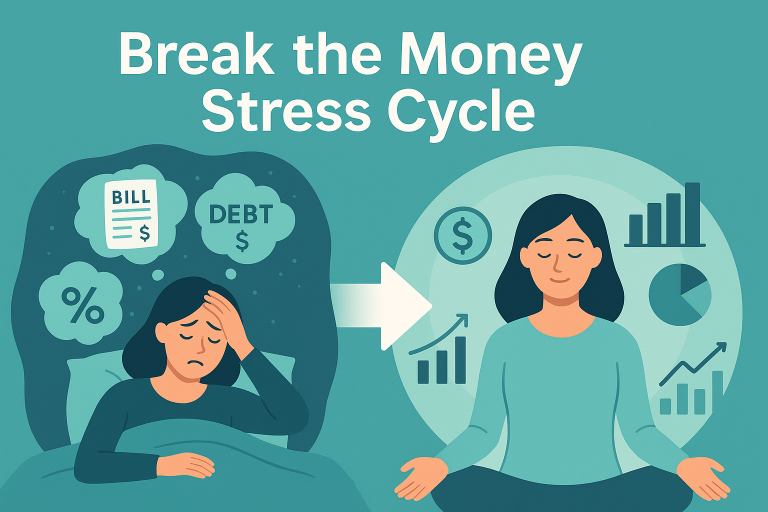
That stress can create a vicious cycle—when we’re anxious about money, we’re more likely to make poor financial decisions, which creates more stress.
I’ve noticed this in my own life. When I didn’t have any financial safety net, every unexpected expense felt like a crisis.
The anxiety made it hard to think clearly, and I’d often make impulsive decisions that made things worse.
Common Mental Traps That Hurt Our Finances
- Loss Aversion: We feel losses more intensely than gains, which can make us hold onto losing investments or avoid taking calculated risks that could improve our situation.
- Mental Accounting: We treat money differently based on how we got it. That tax refund might feel like “free money” to spend, even though it’s just your own money the government held for a year.
- Recency Bias: We put too much weight on recent events. One friend’s job loss might make us panic about our own job security, even if our situation is completely different.
Understanding these biases helped me make better decisions.
When I catch myself falling into one of these traps, I can step back and think more rationally about what’s actually happening.
Building a Resilient Mindset
Financial resilience starts in your head.
Here’s what I’ve learned about developing the right mindset:
Focus on what you can control
- You can’t control the economy, but you can control your spending habits and savings goals.
Celebrate small wins
- Every $20 you save is a victory.
- Every month you stick to your budget is progress.
- These small victories build momentum.
Practice financial self-awareness
- Know where your money comes from and where it goes.
- This isn’t about judgment—it’s about having a clear picture so you can make informed decisions.
Building Your Emergency Fund: A Practical Approach
Okay, let’s get practical. How do you actually build this thing?
Start Small, Start Now
The biggest mistake I see people make is waiting until they can save “enough” to make it “worth it.”
Here’s the truth: saving $25 a week for a month is infinitely better than saving $0 a week while you wait for the perfect time to save more.
Here’s how I built my first emergency fund:
- I started with $20 a week. I automated a transfer every Friday from my checking to my savings account.
- I used windfalls strategically. Tax refunds, birthday money, that $50 I found in an old jacket—it all went to the emergency fund until I hit my Tier 1 goal.
- I made it automatic. The key is removing the decision-making from the process. When it’s automated, you don’t have to rely on willpower every month.
The Power of Automation
This is where technology becomes your best friend. Most banks let you set up automatic transfers, and there are apps that can help you save without thinking about it. The goal is to make saving easier than spending.
I set up my transfers to happen the day after I get paid, before I have a chance to spend that money on other things. Out of sight, out of mind, but building security in the background.
When Life Hits: Recovering from Financial Setbacks
Even with the best plan, sometimes life hits harder than your safety net can handle.
I’ve been there, and if it happens to you, here’s what I learned about bouncing back:
Step 1: Don’t Panic (Easier Said Than Done)
Your first reaction might be to panic or beat yourself up. I get it—I’ve done both.
But panic leads to poor decisions, and self-blame doesn’t solve anything.
Take a breath, and remind yourself that setbacks happen to everyone.
Step 2: Assess the Damage Honestly
Make a list of everything—your debts, your monthly expenses, your remaining assets.
It might feel overwhelming, but having a clear picture is the first step toward making a plan.
Step 3: Prioritize Ruthlessly
Focus on the essentials: housing, food, utilities, transportation. Everything else can wait while you get back on your feet.
I know this is hard, especially if you have to cut things that matter to you, but it’s temporary.
Step 4: Communicate with Creditors
If you’re facing a large expense, contact the billing department.
Hospitals, in particular, often have financial assistance programs or payment plans.
Many creditors would rather work with you than send your account to collections.
Step 5: Look for Ways to Boost Income
This might mean picking up extra shifts, freelancing, or selling things you don’t need.
It’s not forever, but temporary income boosts can significantly speed up your recovery.
Step 6: Rebuild Your Safety Net
Once you’re stable, make rebuilding your emergency fund your top priority.
You’ve just experienced firsthand why it’s so important.
Beyond Cash: The Complete Safety Net
While we’ve focused on emergency funds, remember that financial resilience includes more than just cash.
Here’s how the other layers work:
Insurance: Your Shield Against Catastrophic Events
Think of insurance as protection against the events that would completely overwhelm even a well-funded emergency account:
- Health Insurance: Protects against devastating medical costs
- Disability Insurance: Replaces income if you can’t work due to illness or injury
- Homeowners/Renters Insurance: Protects your stuff and liability
- Auto Insurance: Covers vehicle and accident-related costs
According to the Social Security Administration, one in four adults will experience a disability before retirement age, making disability insurance particularly important.
Strategic Credit: The Last Resort
For those with good credit and existing assets, strategic credit options can serve as a final layer of protection:
- Personal loans often have lower interest rates than credit cards
- Lines of credit let you borrow only what you need
- Home equity lines of credit can provide access to larger amounts at lower rates
But remember: credit should be a last resort, not a substitute for savings.
How SenseFi Helps You Build Your Buffer
The journey to financial resilience is a marathon, not a sprint.
It’s built on small, consistent habits, and that’s exactly what SenseFi is designed to help you develop.
Automate Your Goals
- Use our Smarter Goal Setting features to create a dedicated goal for your Tier 1 emergency fund.
- There’s something really motivating about watching that progress bar fill up as you get closer to your $1,000 or $2,000 target.
Gain Clarity on Your Spending
- Our AI-powered dashboard gives you a clear picture of where your money is going, making it easier to identify areas where you can free up cash to direct toward your savings goals.
- Sometimes we think we don’t have money to save, but when we see that we’re spending $200 a month on subscriptions we forgot about, suddenly that emergency fund feels more achievable.
What I love about this approach is that it removes the guesswork and mental barriers that keep most people from saving.
You’re not trying to figure out where to find extra money or remember to transfer funds every month—the system does the heavy lifting for you.
The Bottom Line: You’ve Got This
Building financial resilience isn’t about being perfect with money or having everything figured out.
It’s about taking small, consistent steps to protect yourself against an unpredictable world.
Start with that Tier 1 emergency fund. Even $500 can be the difference between a manageable surprise and a financial crisis.
Use tools like SenseFi to make the process as easy as possible. And remember: every dollar you save is a vote for your future, less-stressed self.
The goal isn’t to eliminate all financial stress from your life—that’s impossible.
The goal is to build enough of a buffer that when life happens (and it will), you can handle it without derailing your entire financial future.
You don’t have to do this all at once, and you don’t have to do it alone. Start small, be consistent, and give yourself credit for every step forward. Your future self will thank you.
Ready to start building your financial safety net? Try SenseFi today and watch your emergency fund grow.
FAQs
What exactly are unexpected expenses, and why are they such a headache?
Alright, let’s talk about something real. We’ve all been there – that moment when an expense hits you out of nowhere and totally derails your budget.
These aren’t your usual monthly bills; they’re those “spending shocks” that demand immediate cash and can leave you scrambling for months.
Think about it: a sudden medical bill (and trust me, even with insurance, they can be huge – millions of people are dealing with big medical debts), your car suddenly decides to give up the ghost, or something major breaks in your flat.
Even a pet emergency or last-minute travel for a family crisis can hit your bank account hard. It’s not just personal stuff either; bigger economic events like natural disasters or a weak job market can totally impact our personal finances, leading to higher costs or even losing your income. These things create a massive amount of stress, but you’re not alone in feeling it.
So, what’s the absolute first thing I should do to protect myself financially?
The first and most critical step, seriously, is getting an emergency fund together. Think of it as your financial superhero – a cash reserve specifically for those unexpected curveballs.
It’s not for holidays or a new gadget; it’s there to stop an unforeseen bill from throwing you into debt. The truth is, a lot of us (over half of UK adults, for instance) couldn’t cover a £1,000 emergency from savings, and that’s a scary thought.
Without that cash, you’re looking at high-interest credit cards, which just turn a one-off problem into a much bigger, ongoing headache.
Start small, even if it’s just a few quid a week. Every little bit builds momentum, and before you know it, you’ll have a real safety net.
How much should I actually have in my emergency fund, and where’s the best place to keep it?
Okay, so the general advice is to aim for three to six months’ worth of essential living expenses – things like rent, utilities, food, and travel.
But honestly, it depends on your situation. If you’re the main earner, have dependents, or your job isn’t super stable, you might want to aim for more, maybe even nine months.
A smart way to think about it is with two tiers: a smaller fund (say, £500-£2,000) for those common “spending shocks” like a car repair, and then your bigger fund for “income shocks” like job loss.
As for where to keep it, you need it safe and easy to access. High-yield savings accounts (HYSAs) or money market accounts are usually your best bet. They offer better interest than a regular savings account and are still liquid, meaning you can get your cash quickly without penalties.
Stay away from Certificates of Deposit (CDs) for this – they lock your money away!
Beyond the emergency fund, what else should I have in my financial safety net?
While that emergency fund is crucial, it won’t cover everything. This is where personal insurance comes in as your second line of defence.
We’re talking about protection against those really catastrophic events that would wipe out even a chunky savings account. Think health insurance to buffer against huge medical costs, disability insurance in case you can’t work due to illness or injury (it’s surprisingly common!), and home or renters insurance to protect your stuff from theft or fire.
And, of course, car insurance is a must. These policies shield you from massive financial hits, letting your emergency fund do its job for smaller bumps in the road.
What role does credit play in all this, and should I ever use credit cards for emergencies?
Alright, let’s be super clear on this: credit cards are NOT an emergency fund.
They might seem like a quick fix, but those high-interest rates can quickly turn a small problem into a mountain of debt, and it can seriously mess up your credit score. Think of credit as a last-resort, third tier of defence, and only for catastrophic, uninsurable events that have exhausted everything else.
If you absolutely need to use credit in a real emergency, look at more strategic options like a personal loan or a line of credit, which often have lower interest rates than credit cards. But seriously, only when all else fails.
What if I do everything right and still face a major financial setback? Is there a way back?
Absolutely, there’s always a way back. Even with the best plans, life can throw something huge at you.
The first step, and this is crucial, is a psychological reset. Don’t panic or get bogged down in self-pity. Take a breath, and then be brutally honest with yourself: list all your debts, figure out your monthly expenses, and look at your assets. This clarity cuts through the anxiety.
Then, get strategic: prioritise and cut spending, focusing only on essentials. Negotiate bills – seriously, for big things like medical bills, always ask about discounts or payment plans. Many places are willing to work with you. If you can, look for ways to earn extra income, even a temporary side hustle. Once the immediate crisis passes, focus intensely on rebuilding that emergency fund.
Remember, bouncing back isn’t just about the numbers; it’s about your determination and clear-headed action.