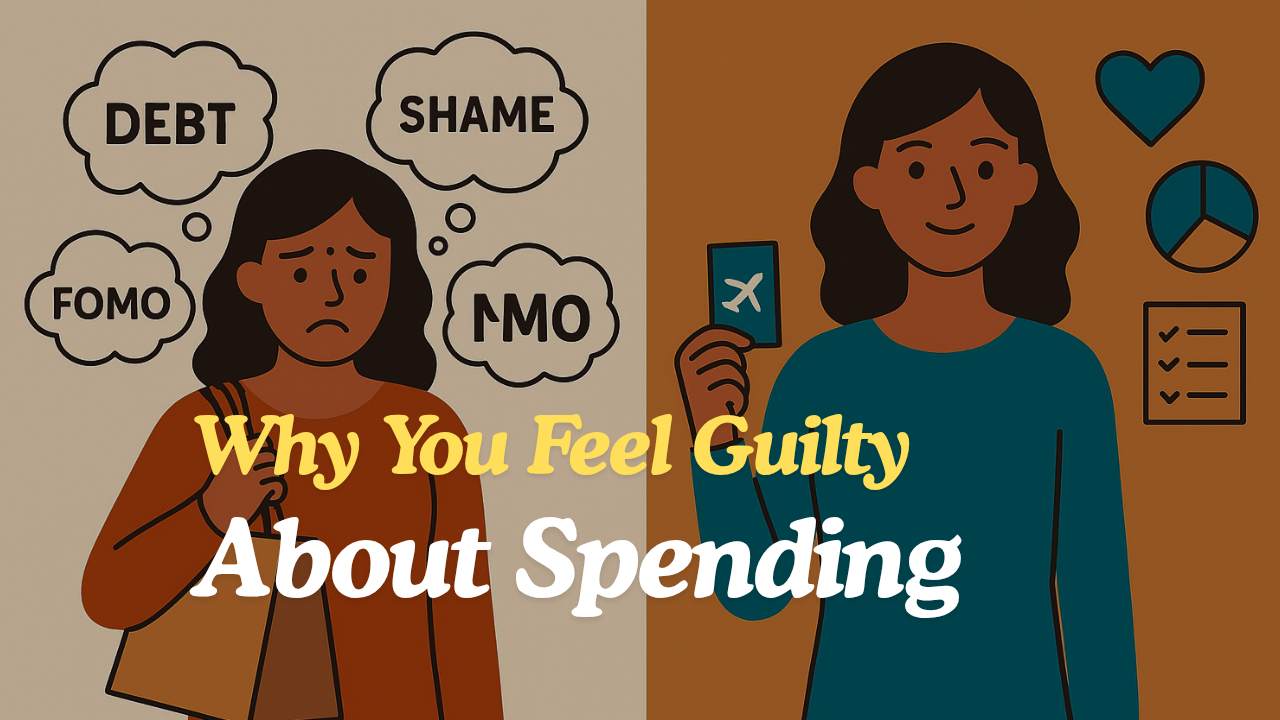
Why You Feel Guilty About Spending
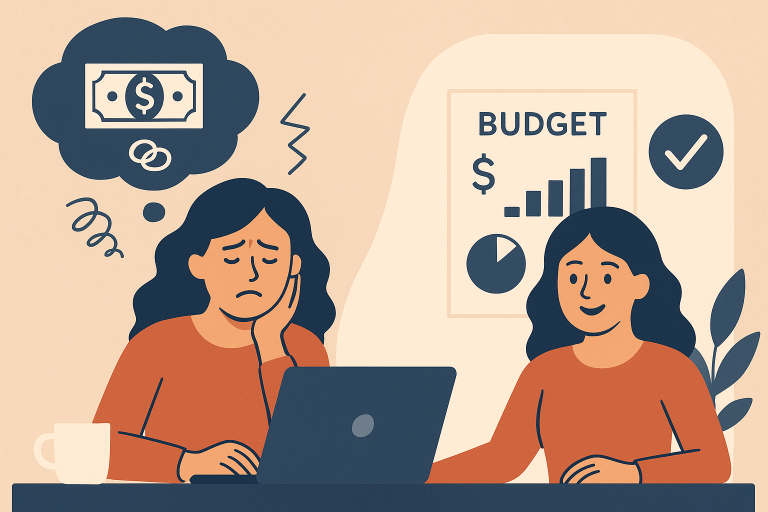
Have you ever bought something you were genuinely excited about, only to have a wave of guilt wash over you the second the transaction was complete?
Or maybe you just feel a constant, low-level unease every time you spend money on something that isn’t a bare necessity.
If so, you’ve experienced spending guilt. It’s that nagging voice in your head that whispers, “Should you have done that?” or “You’re being irresponsible.”
For years, I thought this feeling was just a sign that I was bad with money. But it turns out, it’s a deeply human experience rooted in psychology, societal pressure, and even the way our brains are wired.
Understanding why you feel this way is the first step to overcoming it. Let’s get into it.
Key Takeaways
- Spending guilt is not a personal failing; it’s a widespread emotional response, often rooted in subconscious beliefs about money we learned in childhood.
- The rise of social media has created “Money Dysmorphia,” a state of feeling financially insecure because of unrealistic online comparisons, which fuels guilt.
- The root of guilt is often Cognitive Dissonance: the mental stress you feel when your spending doesn’t align with your core values and goals.
- The solution isn’t a restrictive budget. It’s a “Conscious Spending Plan” that empowers you to spend on what you value, guilt-free.
- Ready to trade guilt for confidence? Discover how SenseFi provides the clarity to spend on your terms with our interactive demo.

The Childhood “Money Scripts” We Inherit
Think back to when you were a kid. What were the messages you heard about money? Did your parents say things like “money doesn’t grow on trees” or “we can’t afford that”?
These early experiences create what psychologists call “money scripts”—subconscious beliefs about money that guide our adult behavior without us even realizing it.
As your research points out, if you grew up in a household that experienced financial hardship, you might have a “scarcity mindset.”
This can lead to a behavioral finance pattern known as “loss aversion,” where the pain of spending money feels more powerful than the joy of the purchase itself, causing anxiety over every transaction.
Understanding your own money script is the first step to rewriting it.
The Emotional Spending Cycle
Often, the guilt we feel isn’t about the purchase itself, but the emotion that triggered it. Are you feeling stressed, lonely, or bored? For many of us, the instant dopamine hit of “retail therapy” is a go-to coping mechanism.
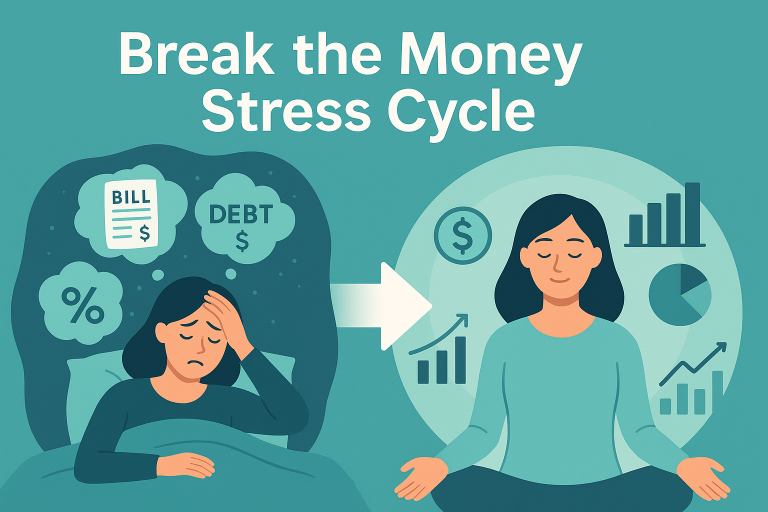
This creates a self-reinforcing loop:
- You feel a negative emotion (stress).
- You make an impulse purchase to feel better (a temporary high).
- The high wears off and is replaced by guilt, shame, and more financial stress.
This phenomenon is a classic example of Cognitive Dissonance, the psychological discomfort we feel when our actions conflict with our core beliefs about being a responsible person.
The guilt is the emotional symptom of that internal conflict. This is why simply telling someone to “stop spending” is an ineffective approach; it only addresses the symptom, not the root cause.
The Social Media Comparison Trap: Are You Experiencing “Money Dysmorphia”?
While the psychological roots of guilt are deep, modern digital culture is a powerful accelerant.
Have you ever scrolled through TikTok or Instagram and been bombarded with “What I spend in a day” videos, luxury hauls, and perfectly curated lifestyles?
This has led to a widespread phenomenon called “Money Dysmorphia,” a condition where you feel financially insecure, regardless of your actual situation, because you’re constantly comparing yourself to unrealistic, curated online personas.
This distorted sense of what’s “normal” can make your own financial caution feel shameful.
It also amplifies the Fear of Missing Out (FOMO), a powerful motivator that drives us to spend money we don’t have to keep up with our peers.
Your document notes that this pressure is a major driver of debt, making the resulting guilt more about our feelings of inadequacy than the purchase itself.
The Path to Guilt-Free Spending
So, how do we break free from these deep-seated psychological and social pressures? The answer isn’t a restrictive, willpower-based budget. It’s a more empowering and psychologically sound approach: creating a “Conscious Spending Plan.”
This concept, highlighted in your research, shifts the focus from deprivation to empowerment. Here’s how to start.
1. Shift Your Mindset from “Budgeting” to “Conscious Spending”
Forget restriction. The goal of a conscious spending plan is to empower you to use your money in a way that aligns with your values. It’s about being intentional.
The first step is to simply understand where your money is going right now, without judgment.
2. Align Every Dollar with Your Values
What do you truly value? Is it security, freedom, connection, or experiences?
As you track your spending, you can begin to categorize purchases as either “value-aligned” or “non-value.”
For example, a $5 coffee bought in a rush might be non-value. That same $5 coffee bought while catching up with a friend aligns with the value of “connection.”
This simple process, as outlined in the research, provides immense clarity and reduces the cognitive dissonance that fuels guilt.
3. Create a Pause Before You Purchase
To combat the emotional spending cycle, create a deliberate pause between the impulse and the action.
A powerful technique is the 30-day rule, which involves waiting a month before making a non-essential purchase. This cooling-off period allows your emotions to settle and often reveals that the desire was fleeting.
How SenseFi Becomes Your Partner in Conscious Spending
This journey from guilt to empowerment is all about gaining clarity, and that’s where we come in.
SenseFi is designed to be your partner in this process. Our AI-powered dashboard gives you that instant, holistic view of your finances without the manual work, allowing you to see your spending patterns without judgment.
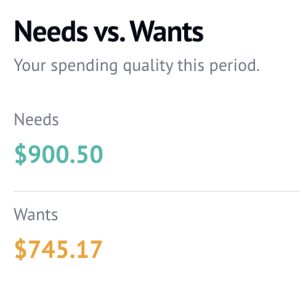
The Needs vs. Wants Analysis helps you quickly identify where your money is going, making it easier to align your spending with your values. We give you the raw data, presented in an easy-to-read way, so you can make your own informed decisions.
By turning ambiguity into clarity, you can transform spending from a source of anxiety into a deliberate, empowering choice.
Ready to build a healthier, more intentional relationship with your money? Learn how SenseFi provides the clarity you need to spend guilt-free at mysensefi.com and start your journey for free