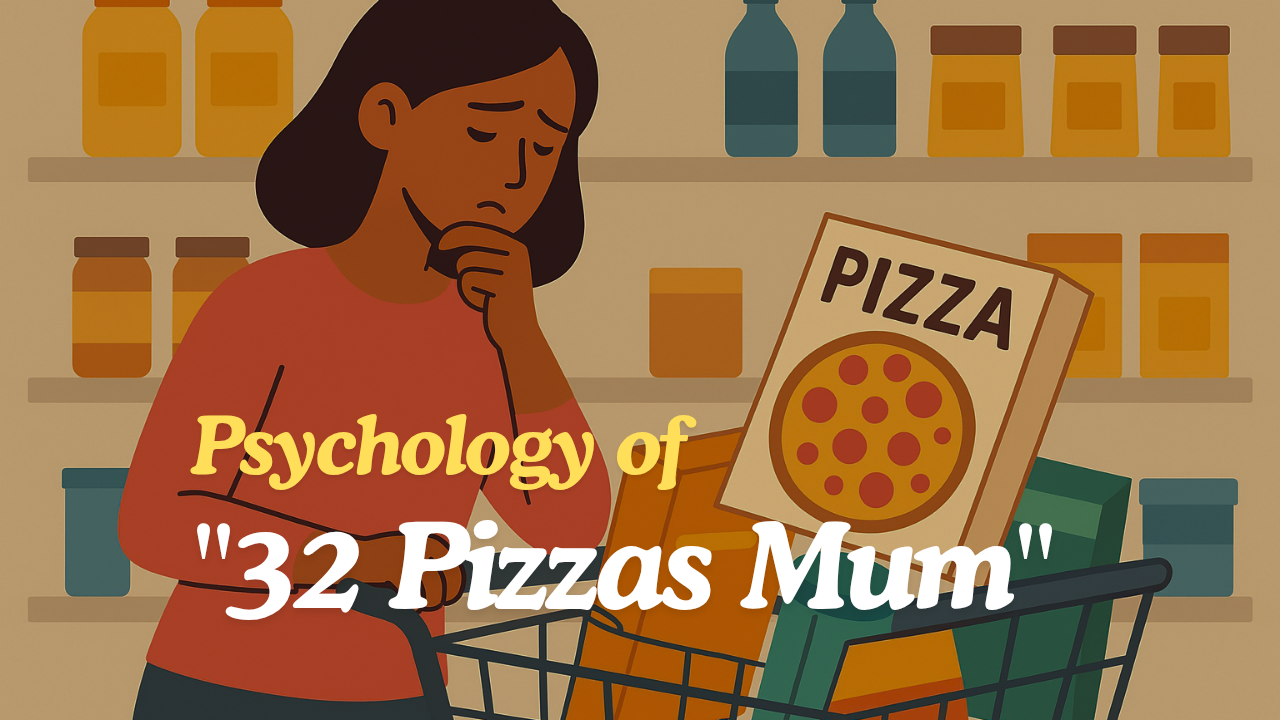
Psychology of the ’32 Pizzas Mum’ Phenomenon
You’ve probably seen the “32 Pizzas Mom” trend on TikTok.
A grocery haul video went viral, the internet erupted, and a mother’s shopping choices were put on trial for the world to see.
The backlash was intense. The haul was called “diabolical” and an example of “gluttony.” This kind of digital moral policing is a stark example of the public shaming that can happen when our private lives become public spectacles.
But the rush to judgment misses the most important part of the story—the deeply human reasons why we sometimes spend in ways that don’t seem logical.
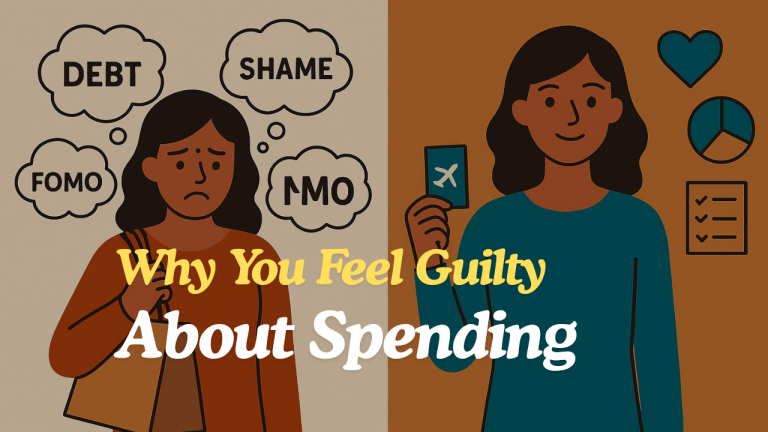
This isn’t just about pizzas. It’s about our hidden relationship with money, and if you’ve ever felt shame or anxiety around your own spending, this is a story about you, too.

Key Takeaways
- The intense financial criticism seen in the “32 Pizzas Mom” trend often ignores the deep psychological drivers behind our spending habits.
- The Scarcity Mindset, a survival instinct rooted in past experiences of financial or food insecurity, can lead to stockpiling and overspending as a way to create a feeling of safety.
- Emotional Spending is a powerful neurochemical loop where the brain’s reward center releases dopamine, using purchases to temporarily cope with negative feelings like stress and sadness.
- Healing involves understanding your triggers and developing healthier coping mechanisms, not just restrictive budgeting, which can often backfire.
- Ready to understand your own spending habits without judgment? See how SenseFi provides the clarity you need and start for free.
The Hidden Forces Driving Our Spending
To move past the criticism and find empathy, we have to look at two powerful psychological forces that often operate beneath the surface of our awareness.
Force #1: The Scarcity Mindset (A Survival Instinct)
The research document defines the scarcity mindset as a persistent, unconscious fear of never having enough. It’s a survivalist way of thinking that can persist even when you’re financially stable. This isn’t a logical financial decision; it’s a deep-seated response to a perceived threat.
Its origins are often found in childhood trauma. A financial therapist cited in the research noted that it is common for adults who experienced food insecurity as children to overspend on food to reassure themselves that they have enough. The act of stockpiling isn’t about a lack of discipline; it’s an unconscious attempt to dismantle a wall of anxiety and replace fear with a sense of provision.
This perspective was powerfully captured in the counter-narrative to the viral trend, where one user stated, “I used to be a ’32 pizzas mom’ because I grew up in a 32 pizzas family,” directly linking the behavior to a personal history of scarcity.
Force #2: The Emotional Spending Cycle (The Dopamine Loop)
The second force is the neurochemical loop of emotional spending. When you make a purchase, your brain’s reward center can release dopamine, a “feel-good” chemical.
As the research explains, this can be a powerful coping mechanism for difficult emotions like sadness, boredom, or stress, often called “retail therapy.”
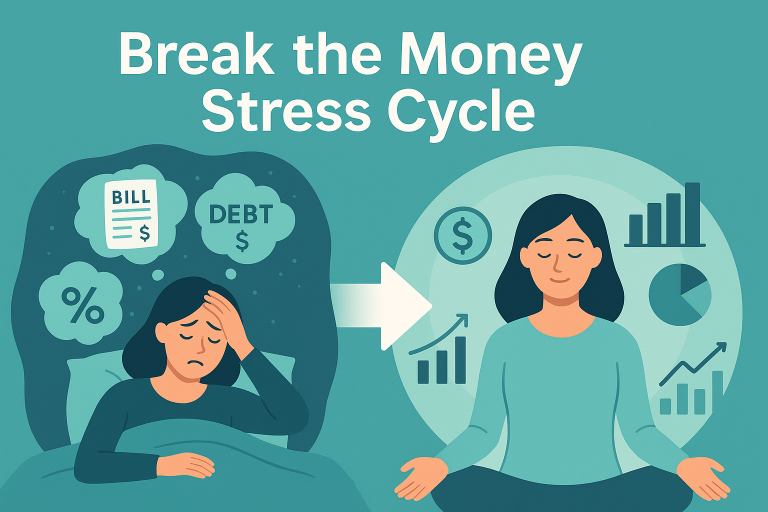
The problem? The rush is temporary and is often followed by a crash of guilt and regret. This can become a harmful cycle:
- Trigger: You feel a negative emotion.
- Action: You make an impulse purchase for a dopamine hit.
- Crash: The good feeling fades, replaced by guilt and more financial stress.
- Repeat: You seek another purchase to cope with the new negative feelings.
This isn’t just a bad habit; it can escalate into a form of compulsive buying, which is a recognized behavioral addiction characterized by an obsessive desire to shop and subsequent feelings of shame.
How to Reclaim Control: A Path to Mindful Spending
Understanding these deep-seated drivers shows us that a simple, restrictive budget is not the answer.
For someone with a scarcity mindset, a strict budget can feel like a return to the very deprivation that caused their trauma. The path to healing requires a more compassionate, trauma-informed approach.
Addressing Emotional Spending
Identify Your Emotional Triggers
- The first step is to become a detective of your own emotions.
- For one week, before you make a non-essential purchase, pause and ask yourself: “What am I feeling right now?” Is it stress from work? Boredom on a Sunday afternoon? Loneliness?
- Use your phone’s notes app to jot it down. This practice of “mindful spending” creates a crucial pause between the emotional trigger and the impulsive action.
Develop Healthier Coping Mechanisms
- Once you identify a trigger, you can find a non-financial way to cope.
- If you’re feeling stressed, instead of browsing Amazon, try a 10-minute walk, listening to a podcast, or calling a friend.
- The goal is to find a new, healthier habit that gives you a genuine mood boost without the subsequent guilt.
Healing the Scarcity Mindset
Acknowledge and Reflect
- Your relationship with money was often formed when you were a child.
- As a personal-finance expert in the research noted, we often “struggle to really shake that.”
- Take a moment to reflect on the “money story” you learned growing up.
- Acknowledging where these beliefs came from is the first step in deciding whether they still serve you today.
Practice Gratitude and Self-Compassion
- Scarcity thrives on focusing on what’s missing.
- Actively shift your focus to what you do have. This could be as simple as writing down three things you’re grateful for each day.
- And when you do overspend, practice self-compassion. Shame fuels the cycle; compassion breaks it.
Seek Professional Guidance
- These are complex psychological issues.
- If you feel trapped, seeking help from a licensed financial therapist or psychologist is a powerful and courageous step.
- This is a recognized field that addresses the intersection of money and mental health.
How SenseFi Helps: Clarity, Not Criticism
This journey from reactive spending to mindful choice starts with a clear and honest picture of your habits, free from judgment. This is where SenseFi was built to shine.
We believe that understanding your money shouldn’t be another source of stress. Our All-in-One Dashboard helps you see your spending patterns clearly, so you can begin the process of Acknowledging and Reflecting without the shame.
Our unique Emotional Spending Tracker is designed to help you Identify Your Triggers over time, connecting the dots between your mood and your money.
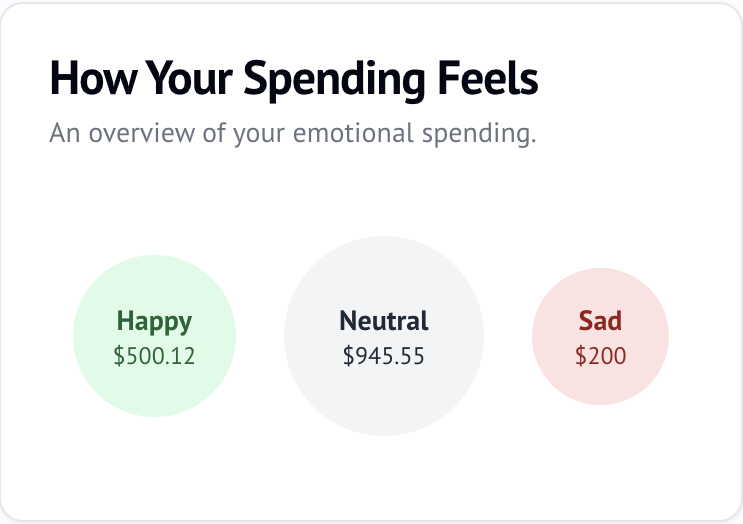
We give you clarity because we believe that with compassionate understanding, you have the power to heal your relationship with money and build a future rooted in security and peace of mind.
Ready to move beyond judgment and gain a clear, compassionate understanding of your own financial story? Learn how SenseFi can help and start your journey for free.